

🧴 How to Package Cooking Oils for Retail, Foodservice, and Industrial Buyers

🧴 How to Package Cooking Oils for Retail, Foodservice & Industrial Buyers
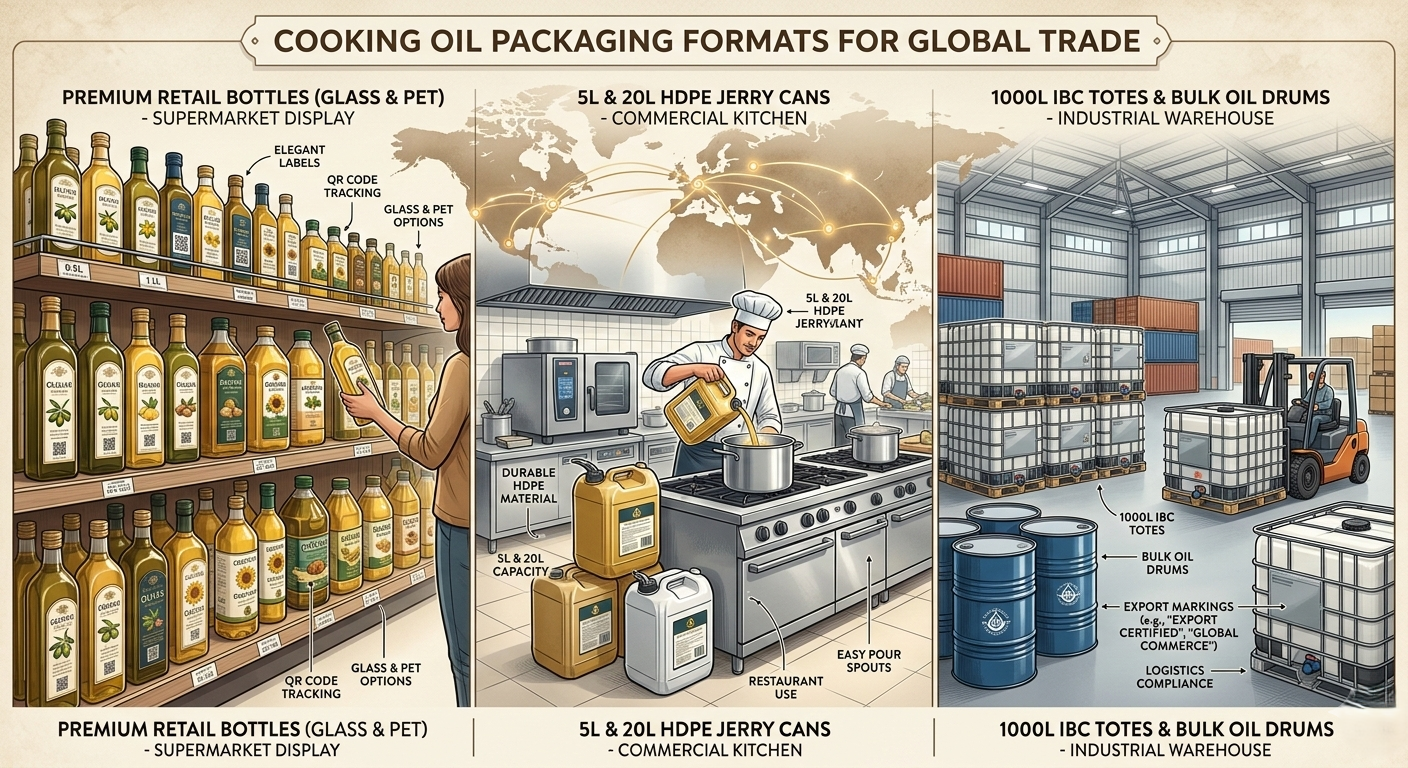
Packaging is more than just containment — it is a powerful branding and compliance tool in the global edible oil trade. Whether you are selling to supermarket consumers, restaurant chains, or industrial food manufacturers, the right cooking oil packaging strategy directly impacts sales, logistics efficiency, and regulatory approval.
At Cavin Enterprise, we help international buyers package edible oils in formats that meet retail expectations, foodservice performance standards, and industrial logistics requirements.
This guide explains the best cooking oil packaging solutions for three major buyer segments: retail, foodservice, and industrial bulk buyers.
🛍️ 1. Retail Cooking Oil Packaging (250ml – 1L)
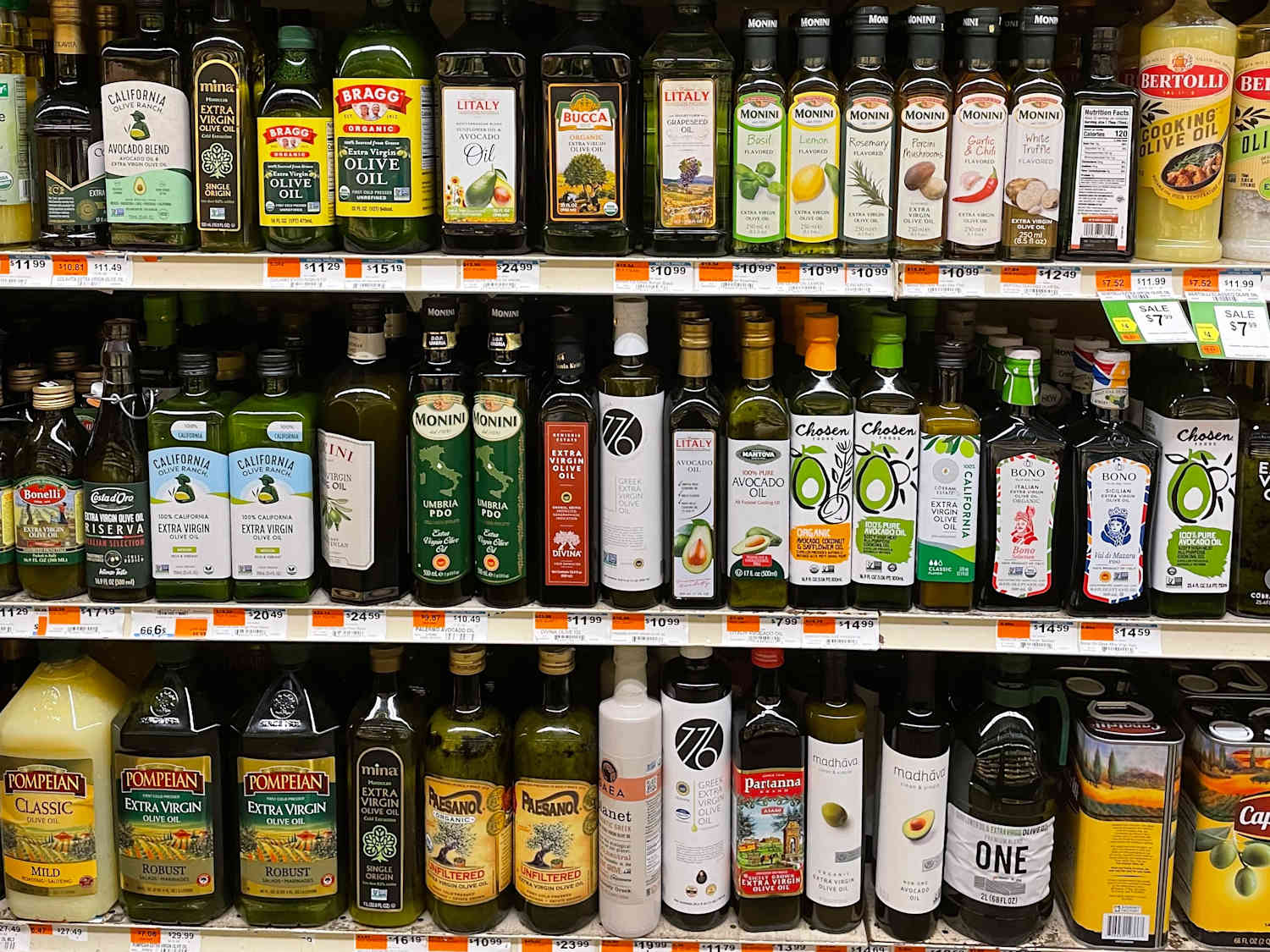

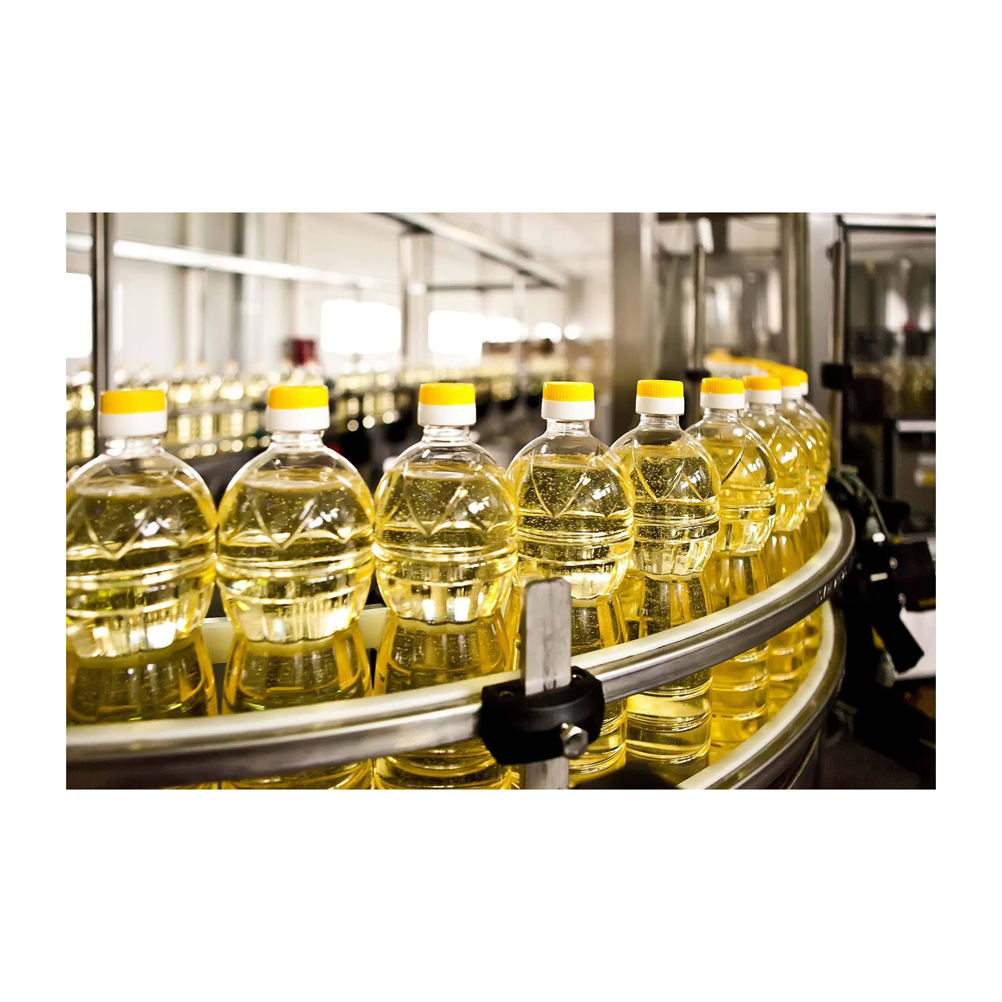
Retail cooking oil packaging must combine visual appeal, product clarity, and compliance labeling. In competitive supermarket environments, packaging influences purchasing decisions as much as price.
Key Features of Retail Edible Oil Packaging:
-
Clear glass or matte PET bottles
-
Tamper-proof caps and shrink seals
-
Premium label finishes (foil stamping, embossing)
-
Icons such as “Cold-Pressed,” “Non-GMO,” “Organic,” “Vegan”
-
QR codes linking to Certificate of Analysis (COA) and origin documents
-
Multilingual labeling for export markets
SEO Insight:
Retail-ready private label cooking oils perform best when packaging communicates purity, origin, and health benefits clearly.
📦 Cavin Tip:
Elevate shelf appeal with embossed caps and textured labels. For export markets, include compliant nutritional panels and multilingual ingredient lists.
🍽️ 2. Foodservice Cooking Oil Packaging (5L – 20L)
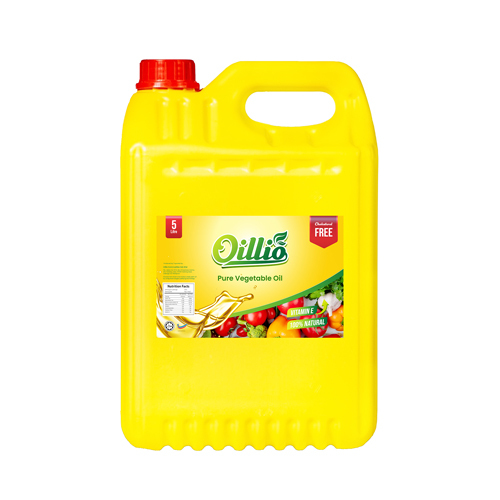

Foodservice buyers prioritize volume, durability, and ease of handling. Restaurants, hotels, and catering services require packaging that supports daily operational efficiency.
Essential Features:
-
HDPE jerry cans or drums with reinforced handles
-
Wide-mouth openings for controlled pouring
-
Clearly printed batch numbers and expiry dates
-
Optional pump attachments for commercial kitchens
-
Allergen declarations
-
MSDS documentation for compliance
High-oleic oils with higher smoke points are particularly attractive in foodservice environments due to frying stability.
📦 Cavin Tip:
Position high-oleic sunflower or refined palm olein oils as cost-efficient, high-performance solutions for commercial kitchens.
🏭 3. Industrial & Bulk Cooking Oil Packaging (IBC – 1000L+)


For manufacturers and food processors, bulk edible oil packaging must prioritize logistics efficiency, safety, and traceability.
Key Industrial Packaging Features:
-
IBC totes (1000L) with pallet-ready bases
-
Tamper-proof valves and sealed outlets
-
Export markings and HS codes
-
External document pouches containing:
-
COA
-
MSDS
-
Bill of Lading
-
-
QR-linked batch traceability systems
Industrial buyers focus on cost-per-liter efficiency and documentation accuracy for import clearance.
📦 Cavin Tip:
Include warehouse visuals and branded drum photography in your catalogue to increase buyer confidence. Clear batch traceability improves long-term contract reliability.
🌍 Why Packaging Matters in Global Cooking Oil Trade
Effective cooking oil packaging supports:
-
Brand positioning
-
Export compliance
-
Product safety
-
Shelf differentiation
-
Logistics optimization
-
Buyer trust
From boutique retail shelves to industrial processing plants, packaging determines how your edible oil competes in global markets.
📦 Cavin Enterprise: Smart Packaging for Global Buyers
At Cavin Enterprise, we provide:
✅ Private label retail packaging
✅ Foodservice-ready bulk formats
✅ Industrial IBC export solutions
✅ Multilingual labeling
✅ Batch traceability systems
✅ Complete export documentation
We help buyers bridge quality, compliance, and brand presentation in the international edible oil market.
