

📑 How to Read a COA for Cooking Oils: A Buyer’s Guide


How to Read a Certificate of Analysis (COA) for Cooking Oils: A Complete Buyer’s Guide
When sourcing cooking oils for international trade, reviewing the Certificate of Analysis (COA) is critical. A COA verifies product quality, confirms regulatory compliance, and protects buyers from costly import issues.
At Cavin Enterprise, every shipment of edible oil includes a batch-specific COA to ensure transparency, safety, and full export compliance.
This guide explains how to read a COA for cooking oils and which key quality indicators buyers should evaluate before confirming a purchase.
🧾 What Is a Certificate of Analysis (COA)?
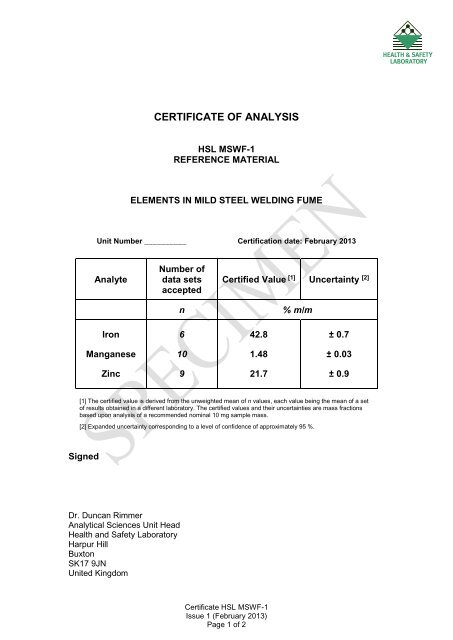


A Certificate of Analysis is an official laboratory-issued document that confirms:
-
Chemical composition
-
Physical characteristics
-
Safety testing results
-
Compliance with buyer specifications
For edible oils, the COA ensures that the product meets international food safety standards and import regulations.
🔍 Key Sections of a COA for Cooking Oils
Understanding each section helps buyers assess quality and suitability for their market.
1️⃣ Product Identification
This section confirms traceability and shipment accuracy:
-
Oil type (e.g., Refined Sunflower Oil, Extra Virgin Olive Oil)
-
Batch or lot number
-
Production date
-
Country of origin
🔎 Why it matters: Ensures shipment matches purchase contract and supports traceability in case of recalls.
2️⃣ Physical Properties
These characteristics determine visual and sensory quality:
-
Color and clarity
-
Odor and taste
-
Specific gravity
-
Refractive index
Clear, stable oils with consistent physical properties indicate proper refining and storage.
3️⃣ Chemical Composition (Most Critical Section)
This is where buyers should pay close attention.
✅ Fatty Acid Profile
Shows percentage breakdown of:
-
Oleic acid
-
Linoleic acid
-
Palmitic acid
-
Stearic acid
The fatty acid profile determines nutritional value, oxidative stability, and market positioning.
✅ Peroxide Value (PV)
Measures oxidation level.
Lower peroxide value = fresher, more stable oil.
✅ Free Fatty Acid (FFA) Content
Indicates hydrolysis and refining quality.
Lower FFA = higher grade oil.
✅ Moisture & Impurities
Excess moisture reduces shelf life and export stability.
4️⃣ Nutritional Data
Retail and private label buyers especially rely on this section.
Includes:
-
Calories per 100g
-
Saturated fat
-
Monounsaturated fat
-
Polyunsaturated fat
-
Vitamin E content
Required for EU, US, and Middle East labeling regulations.
5️⃣ Microbiological & Contaminant Testing
Ensures food safety compliance:
-
Heavy metals (lead, arsenic)
-
Pesticide residues
-
Microbial load (yeast, mold, bacteria)
This section protects importers from regulatory rejection.
📦 Cavin Enterprise COA Standards
Every Cavin Enterprise COA includes:
✅ Batch-specific traceability
✅ Accredited laboratory details
✅ Export-ready formatting (EU, US, Middle East compliant)
✅ Multilingual versions (French, Arabic, Spanish)
✅ Clear specification comparison (Result vs. Standard Limits)
Our documentation is designed to support smooth customs clearance and buyer assurance.
🛒 Why Buyers Must Always Request a COA
Requesting a Certificate of Analysis helps buyers:
🧠 Make informed sourcing decisions
📈 Meet import and regulatory compliance standards
🤝 Build trust with distributors and retail clients
🛡️ Reduce risk of shipment rejection
In international edible oil trade, documentation quality often determines long-term supplier relationships.
🌍 Partner with Cavin Enterprise for Transparent Oil Exports
We don’t just ship cooking oils — we deliver documented confidence.
Every Cavin Enterprise shipment includes:
-
Certificate of Analysis (COA)
-
MSDS
-
Origin certificate
-
Batch traceability
-
Full export compliance overlay
👉 Contact us today for sample COAs, product previews, and export quotations.
