

The Global Journey of Cooking Oils: From Ancient Presses to Modern Trade

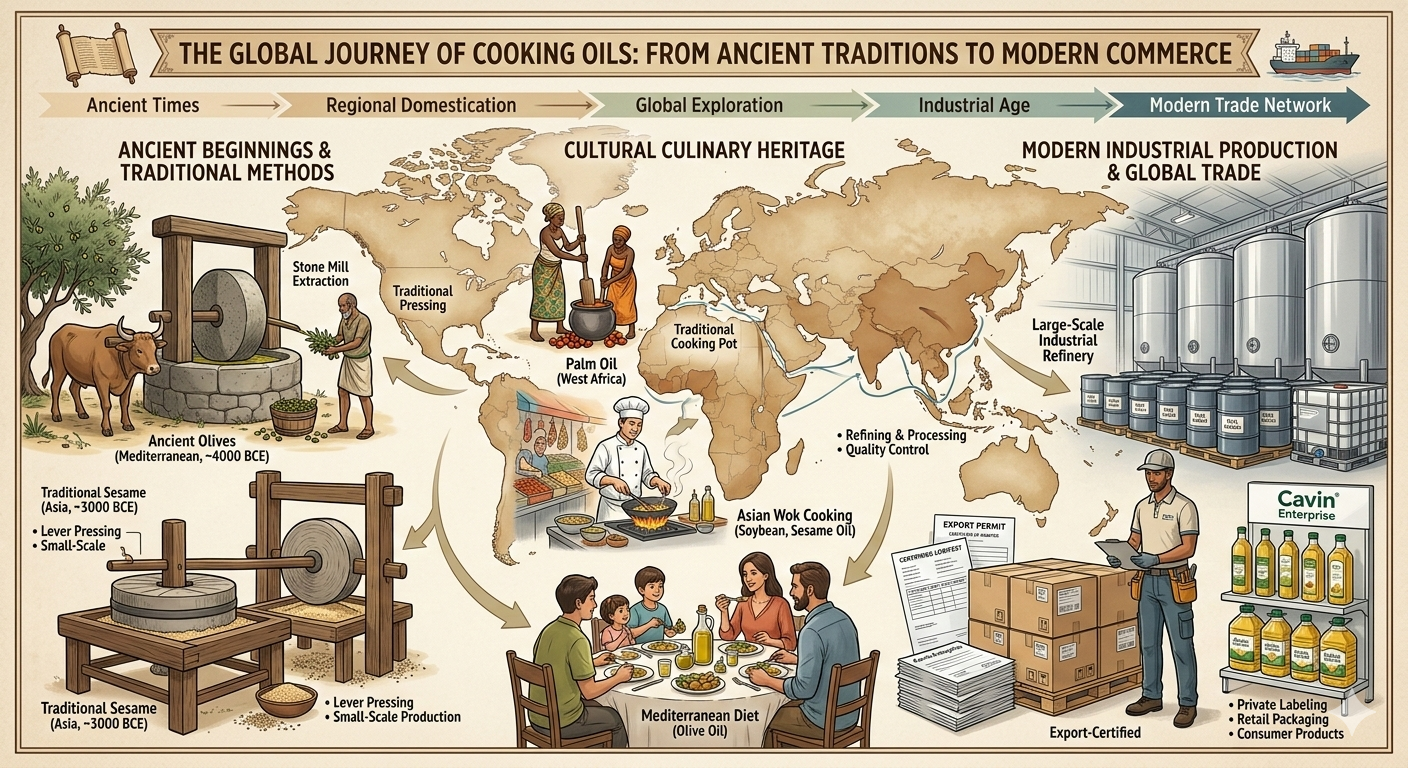
The Global Journey of Cooking Oils: From Ancient Presses to Modern Trade
Cooking oils have played a vital role in human civilization for over 6,000 years. From ancient stone presses to today’s international export markets, edible oils continue to shape cuisines, economies, and global supply chains.
At Cavin Enterprise, we combine tradition with innovation—supplying high-quality, export-ready cooking oils that meet international standards while honoring their cultural heritage.
🏺 Ancient Origins of Edible Oils


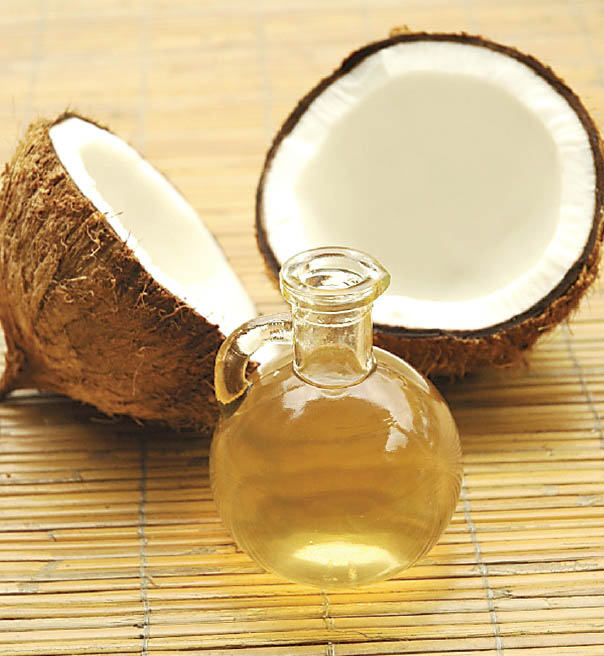
🫒 Olive Oil – The Mediterranean Gold
First pressed in the Mediterranean region over 6,000 years ago, olive oil was used not only for cooking but also for medicine, cosmetics, and lighting lamps. It became one of the earliest globally traded agricultural commodities.
🌾 Sesame Oil – The Flavor of Mesopotamia & India
Sesame oil dates back to ancient Mesopotamia and India. Known for its strong aroma and natural preservative qualities, it remains a staple in Asian and Middle Eastern cuisines.
🥥 Coconut Oil – The Tropical Essential
Used across Africa, Southeast Asia, and the Pacific Islands, coconut oil has historically served culinary, cosmetic, and ceremonial purposes.
SEO Insight: Storytelling around product origins increases brand trust and improves engagement metrics.
🌐 Cooking Oils Across Cultures and Continents
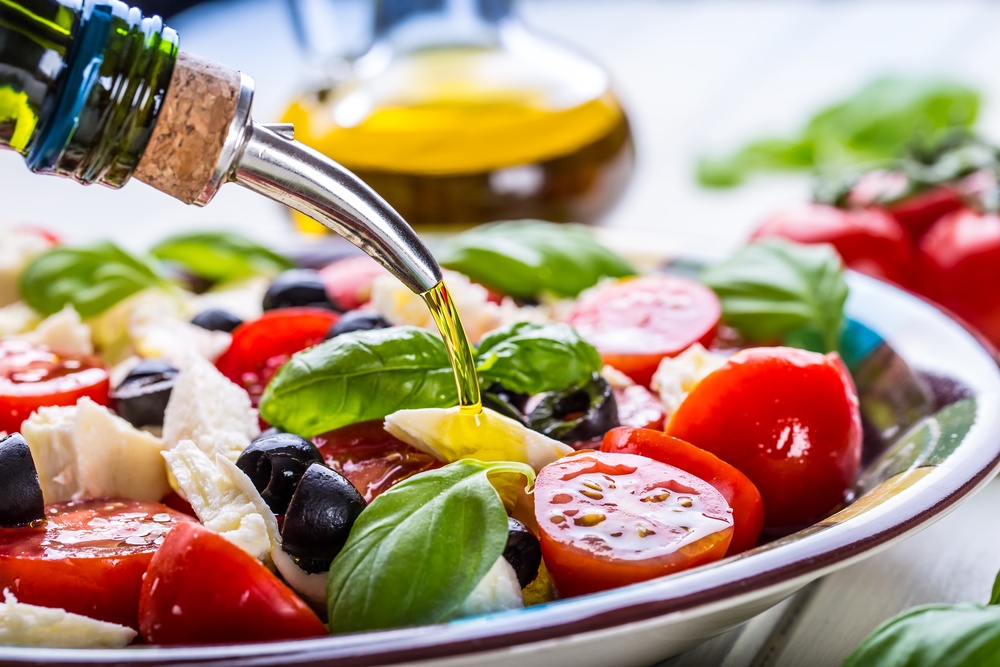
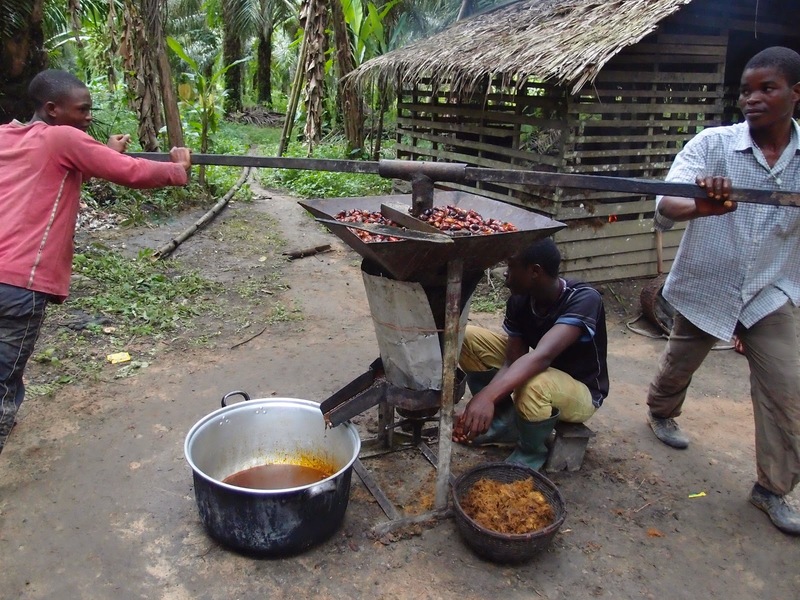

Cooking oils reflect regional agriculture and cultural identity:
-
Mediterranean: Olive oil dominates healthy diets
-
West Africa: Palm oil forms the base of traditional dishes
-
Asia: Sesame oil enhances flavor and aroma
-
Europe: Sunflower and rapeseed oils are widely consumed
-
Tropical regions: Coconut oil remains a staple
As global trade expanded, these oils transitioned from local essentials to internationally traded commodities.
🛒 Modern Trends in the Global Cooking Oil Market
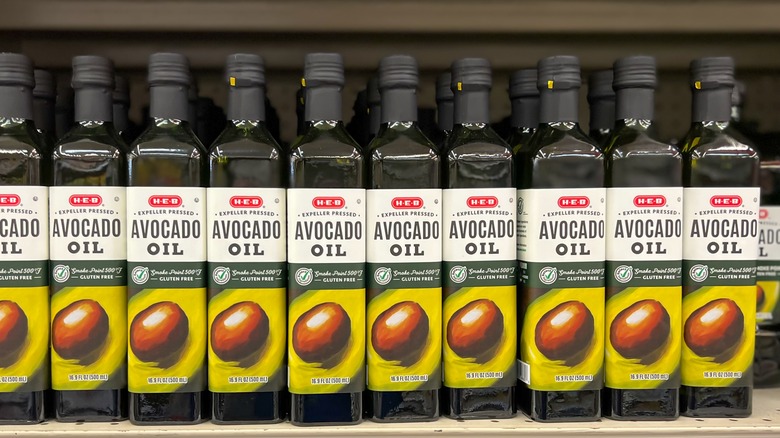

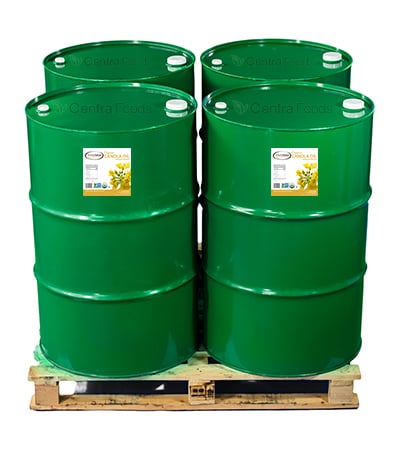
Today’s cooking oil industry is driven by evolving consumer demands and regulatory requirements.
🌱 Health & Wellness Markets
Growing demand for:
-
Avocado oil
-
Flaxseed oil
-
Hemp oil
-
Cold-pressed vegetable oils
🏷️ Clean Label & Certification
Buyers increasingly require:
-
Non-GMO certification
-
Organic labeling
-
Cold-pressed verification
-
Allergen transparency
📦 Bulk & Private Label Growth
Foodservice and retail markets are expanding demand for:
-
Bulk vegetable oil supply
-
Private label cooking oil packaging
-
Custom branding solutions
🌍 Export Compliance & Documentation
Successful global trade requires:
-
COA (Certificate of Analysis)
-
MSDS (Material Safety Data Sheet)
-
Certificate of Origin
-
Multilingual product labeling
Export compliance directly impacts buyer trust and long-term contracts.
📦 Cavin Enterprise: Bridging Tradition and Global Trade
At Cavin Enterprise, we supply premium edible oils that combine historical authenticity with modern export standards.
Why Global Buyers Choose Us:
✅ Nutritional transparency
✅ Full batch traceability
✅ Private label packaging solutions
✅ Export documentation support
✅ Multilingual compliance labeling
We understand both the cultural roots and commercial realities of the cooking oil industry.
